
How to Estimate the True Cost of Capital
.jpeg)
2 mins
TL;DR: Every financing option comes with tradeoffs. Go beyond the interest rate to understand how repayment terms, flexibility, cash flow, and returns work together to help you make smarter financing decisions.
When founders compare financing options, the interest rate is usually the first number they look at. That's understandable, but the interest rate is just one deciding factor among many—and the most affordable loan isn't always the one with the lowest rate.
The real consideration is this: Which financing option creates the most value for your business once you consider its full impact, not just what it costs on paper?
The interest rate is just the introduction to the full story. Looking at your financing options through a more comprehensive lens helps you make smarter decisions that preserve your current momentum while also allowing for greater success in the future.
Here's a quick walkthrough of each factor you should consider when weighing the true cost of capital.
Start With Your Weighted Average Cost of Capital (WACC)
Your cost of capital is blending into every dollar you've financed or raised. It's commonly measured as your Weighted Average Cost of Capital (WACC), which combines the cost of both debt and equity based on how much each makes up your capital structure.
WACC helps you quantify the return you'll need to generate to meet investor and lender commitments and represents the price of funding your business operations, whether through debt, equity, or a mix of both.
The formula looks like this:
WACC = (E / V x Re) + (D / V x Rd x (1 - Tc))
Where:
- E = Value of equity
- D = Value of debt
- V = Total capital (debt + equity)
- Re = Cost of equity
- Rd = Cost of debt
- Tc = Corporate tax rate
Use our cost of capital calculator to calculate your WACC cross debt and equity.
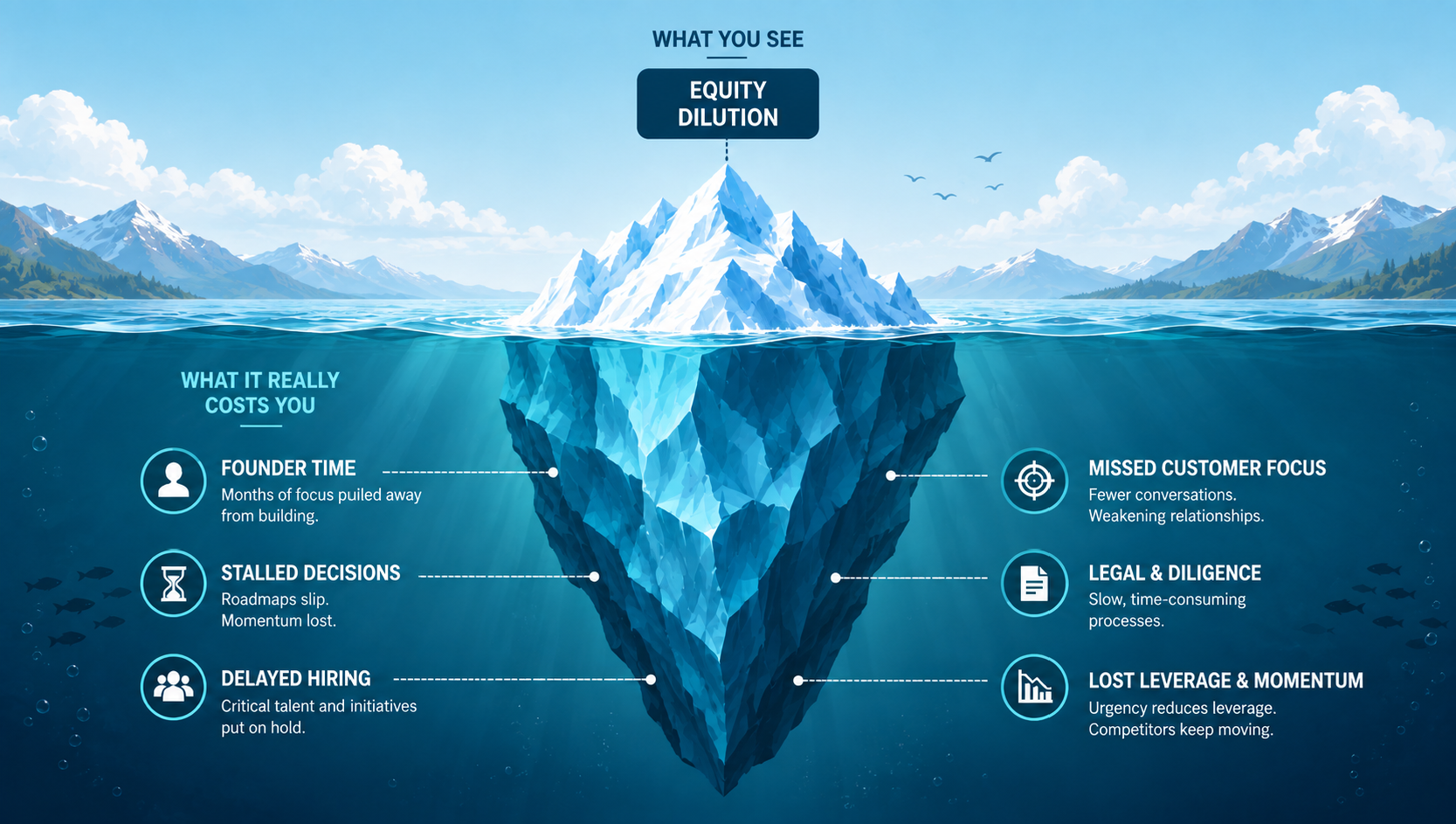
If you're an early-stage startup, it's important to realize that calculating your cost of equity isn't an exact science. Venture investors often expect annual returns ranging from 15% to 60% depending on your stage, risk profile, and market. That means equity can be significantly more expensive than you often realize, even if it doesn't come with a monthly payment.
Generally speaking, the cost of debt will be lower than the cost of equity because it's less risky for investors and interest payments will reduce your overall taxable income.
Don't Stop at the Upfront Math
Your WACC and the interest rate give you a baseline understanding of the most obvious costs, but there are still more deciding factors to consider. Repayment terms, cash flow impacts, opportunity costs, and returns can all make a financing decision feel very different months down the road than what you anticipated when you signed the loan agreement.
Here are four factors to help you choose the right financing option for your business:
1. What's the Repayment Structure?
The way you repay capital matters just as much as the amount you finance. Two financing offers can look nearly identical on paper but put very different demands on your business. One might require large monthly payments immediately, while another may give you more time for the capital to generate revenue before the repayments ramp up.
Make sure you opt for a repayment structure that matches how your business actually generates revenue and collects cash. You don't want to strain your cash flow before you've seen a return.
2. How Flexible Are the Terms?
Optionality is one of the most valuable assets you have. Financing that preserves your ability to make strategic choices and fast pivots is often worth substantially more than saving a point or two on interest. Markets change, customer demand shifts, and growth rarely follows a straight line—and you'll want the resources to adapt and respond effectively to new challenges.
Some financing products are designed for predictable cash flow, while others are built for companies whose revenue fluctuates month to month. Compare how each loan option handles early repayment, refinancing, additional borrowing, reporting requirements, and covenant restrictions. Those differences may not change the quoted rate, but they can dramatically change how useful the capital is over the life of the loan.
Four questions to ask your potential capital partner:
- Are you allowed to repay the loan early if cash flow increases faster than anticipated?
- Are there any penalties for refinancing?
- Does the lender impose financial covenants that could limit future decisions?
- Can you access additional capital without starting the application process all over again?
3. How Will This Affect Cash Flow?
Runway is everything in the startup world. It's probably the reason you're pursuing financing in the first place, so you want to make sure that your loan is setting you up for success right from the start and helping you maintain momentum.
First, look at how your repayments will reduce your working capital. A financing option that preserves ample working capital can give you room to invest in product development, sales, customer success, or hiring instead of using every dollar available to service debt. You want to take on enough debt to fuel growth, but not so much that repayment is a constant strain (See our guide to healthy debt here).
Next, clarify how long it will take you to access the capital you need. Some lenders like us will wire funds into your account within 72 hours—but traditional financing sources like banks and many other lenders can take several weeks to several months. If runway is short, that much delay may be enough to seriously hamstring your business.
4. How Much Return Do You Expect to Generate?
Evaluate financing the same way you would evaluate any other investment: Does the expected return exceed the cost of investment?
Look beyond the financing costs and consider what you'll earn by putting that capital to work. What's the expected return on the specific initiative you're funding? If the investments you're funding create returns far above and beyond the cost of capital, financing becomes a powerful growth lever rather than another line-item expense.
Imagine that Financing Option A costs slightly less but drastically limits how much you can borrow, while Financing Option B costs slightly more but gives you enough runway to complete a predictable growth initiative six months sooner. If that earlier momentum materially increases your ARR, Financing Option B may deliver a better financial outcome despite its higher stated cost.
Remember, the goal isn't just to minimize borrowing costs but to maximize the value created by every dollar you bring into the business.
Looking at the Full Picture = Better Decisions (and Better Outcomes)
Our best advice to you as you consider financing options: Think like an investor, not just a borrower.
That means a single number is never the whole answer. Your interest rate matters, but your returns are the ultimate success metric when considering financing. Assess your repayment structure, flexibility, and cash flow carefully to understand the full impact of how financing may mobilize your business—or hold it back. Looking at all these factors together gives you a much clearer picture of what capital actually costs, and whether it's helping you build a more valuable company.
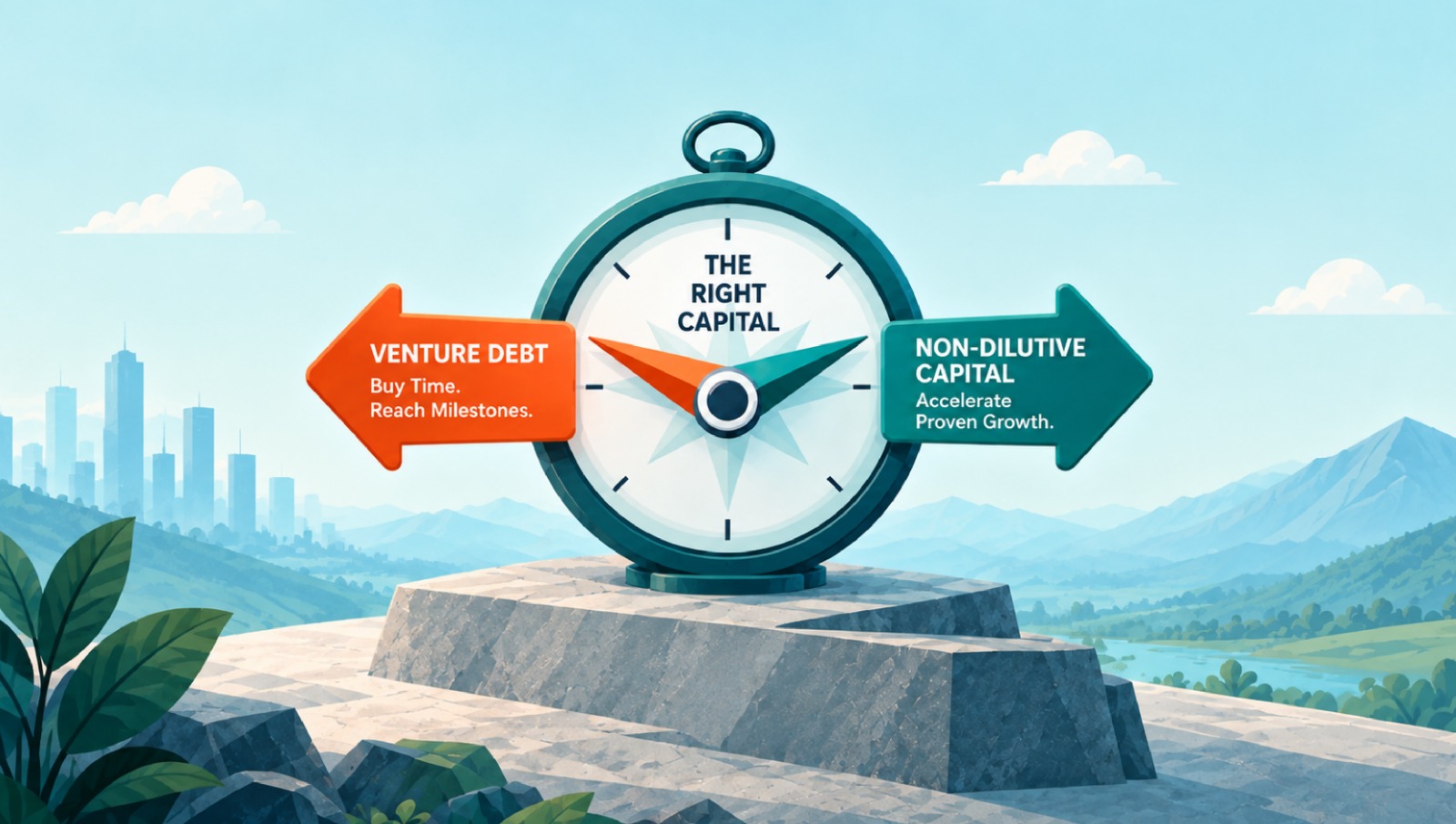
If you're ready to explore financing options that fund your future while preserving equity, it's time to look at ECL. We'll help you build the right hybrid capital plan for your needs and get funding into your account within 72 hours of approval. The startup world won't wait, and we don't either.


Founders who drive the future deserve capital that accelerates with them. Let’s make this the most efficient chapter of your story.